10+ Amazing Flowers that Represent Change and Renewal
Change is a natural aspect of life, bringing new beginnings and perspectives. Throughout history, certain flowers have symbolized this concept of transformation across cultures.
These Amazing Flowers that Represent Change and Renewal captivate with their colors and fragrances while representing life’s ongoing evolution.
What flower represents change?
In the quiet corners of a garden, where colors dance and fragrances mingle, flowers bloom not just as nature’s embellishments but as profound symbols of change.
Each petal unfurling from a bud tells a story of transformation, an elegant metamorphosis that mirrors our own life journeys.
From the resilient daffodil bursting through winter’s frost to the delicate cherry blossom heralding spring’s arrival, these vibrant creations serve as reminders that change is both inevitable and beautiful. But what lies beneath this floral façade?
Flowers that represent Change and Renewal
Here are ten exquisite flowers that symbolize change, growth, and transformation, each possessing its distinct charm and significance:
Cherry Blossoms as Symbol of Renewal
Renowned for their brief yet stunning bloom, cherry blossoms hold a special place in Japanese culture as emblems of renewal and the transient nature of existence.
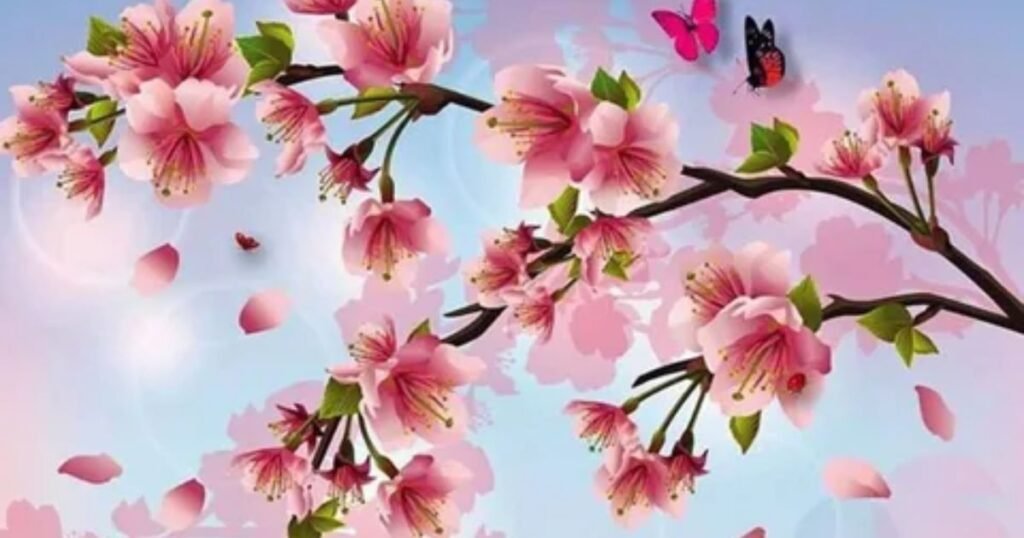
These delicate flowers typically bloom in spring, reminding us to cherish fleeting moments and embrace change.
Lotus as Flower of Change
Rising gracefully from muddy waters, the lotus flower symbolizes spiritual awakening and resilience amid adversity.
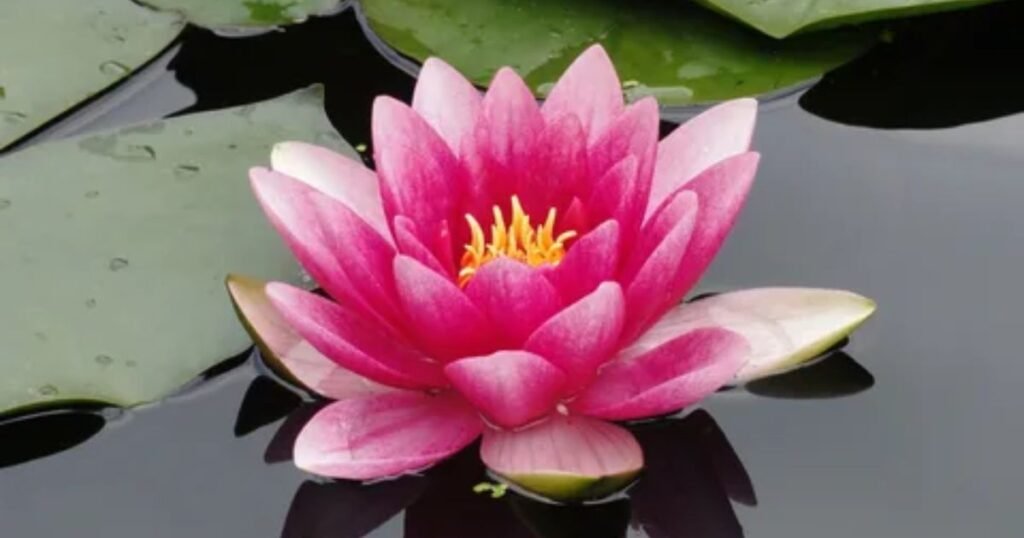
In various cultures, it is revered as a representation of enlightenment and personal transformation, showcasing how beauty can emerge from challenging circumstances.
Sunflower
Sunflowers are celebrated for their ability to turn toward the sun throughout the day. This characteristic makes them symbols of positivity and optimism.
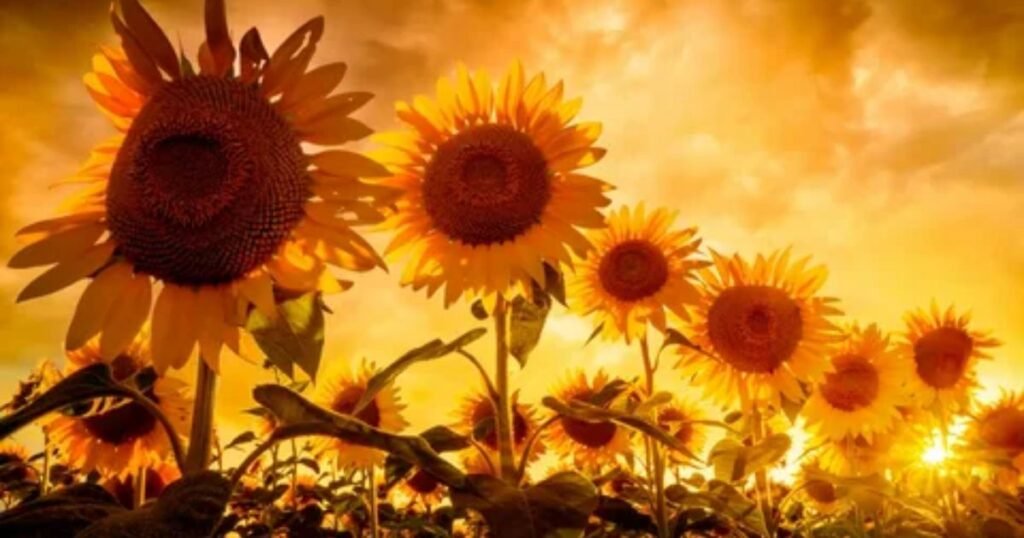
Their bright yellow petals evoke feelings of warmth and joy, encouraging adaptability during life’s ups and downs.
Butterfly Bush (Buddleja)
The butterfly bush attracts a myriad of butterflies creatures that epitomize metamorphosis making this vibrant plant a powerful symbol of new beginnings.
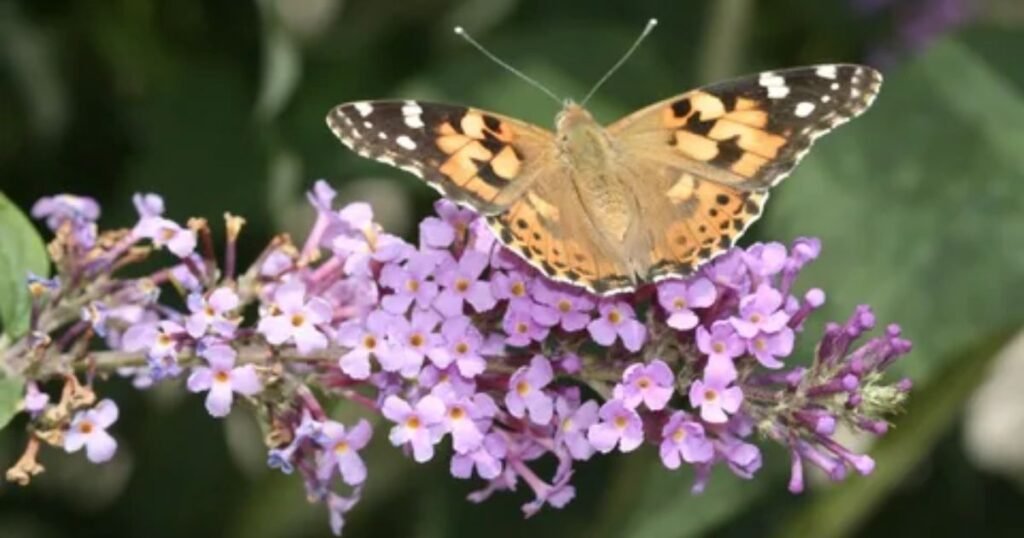
Its rich blooms not only beautify gardens but also serve as reminders of personal growth through transformative experiences.
Daffodil as Flower that represents Change
As one of the first flowers to bloom in spring, daffodils herald the season’s arrival with their cheerful yellow hues.
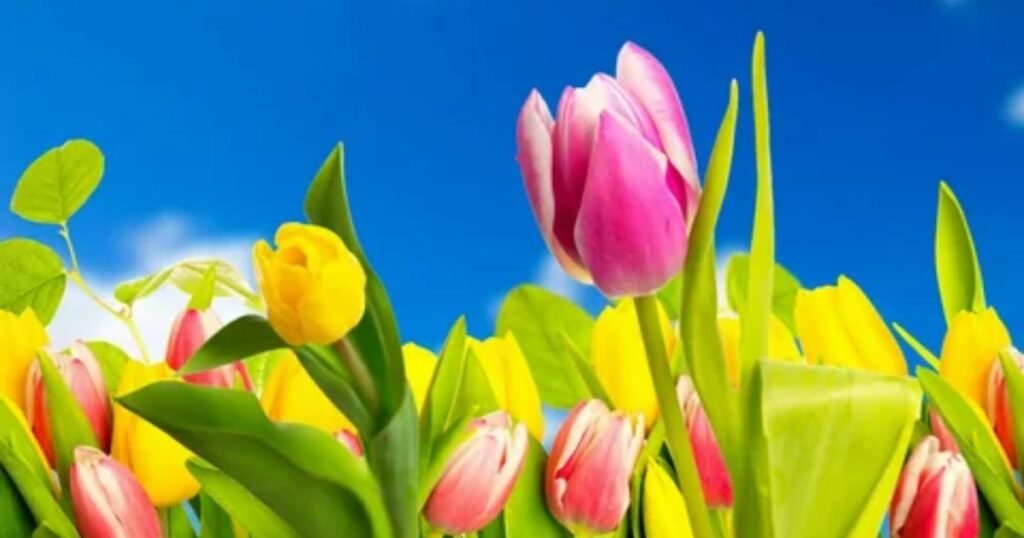
They symbolize rebirth and hope, often associated with fresh starts after long winters. Their presence serves as an uplifting reminder that change can bring about positive outcomes.
Iris
With its striking blossoms available in various colors, the iris represents wisdom and bravery in facing life’s transitions.
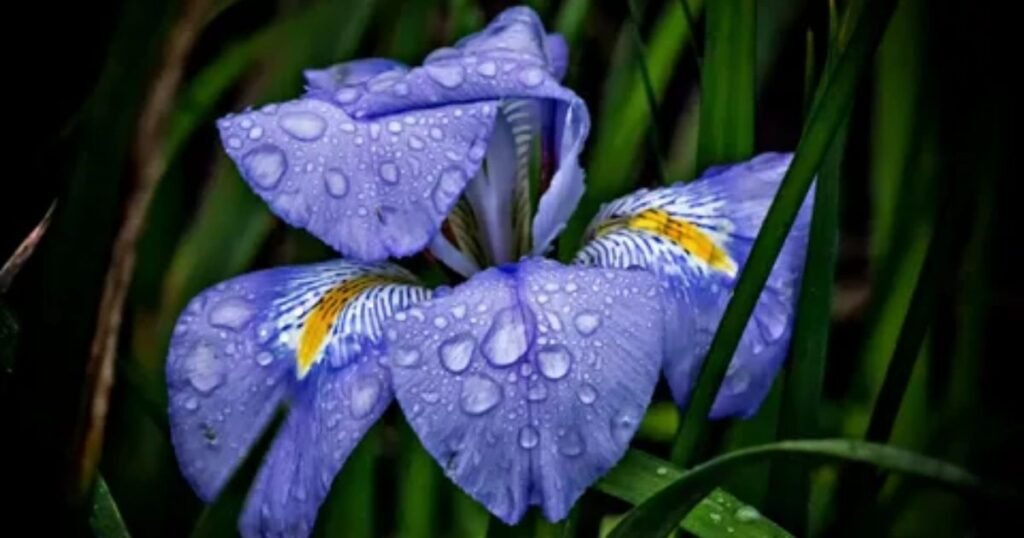
Often linked to messages from loved ones who have passed on, irises inspire individuals to embrace change while fostering personal development through life’s challenges.
Peony
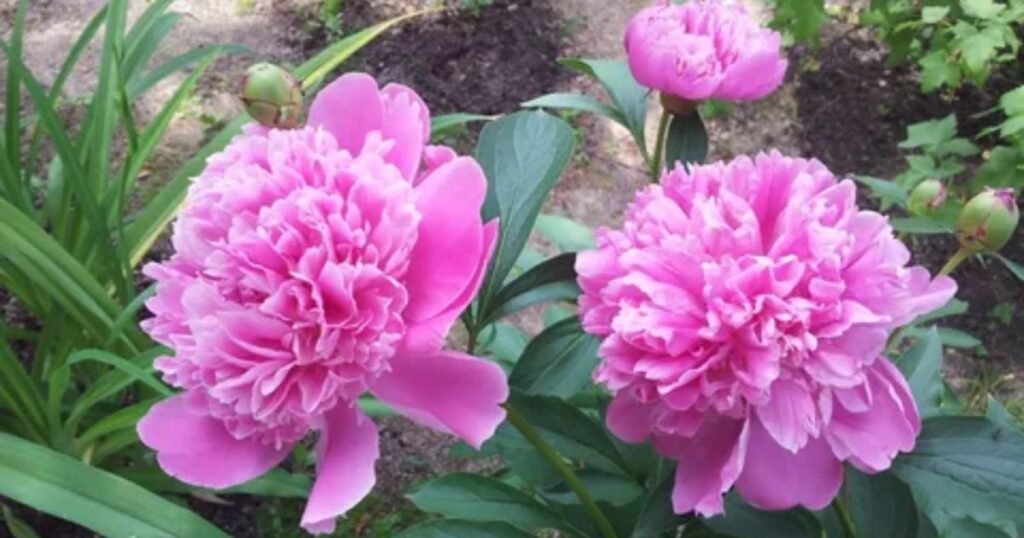
Peonies are known for their lush blooms that signify prosperity and renewal. These magnificent flowers embody courage, the courage to embrace change and reflect a sense of abundance as they flourish during late spring into early summer.
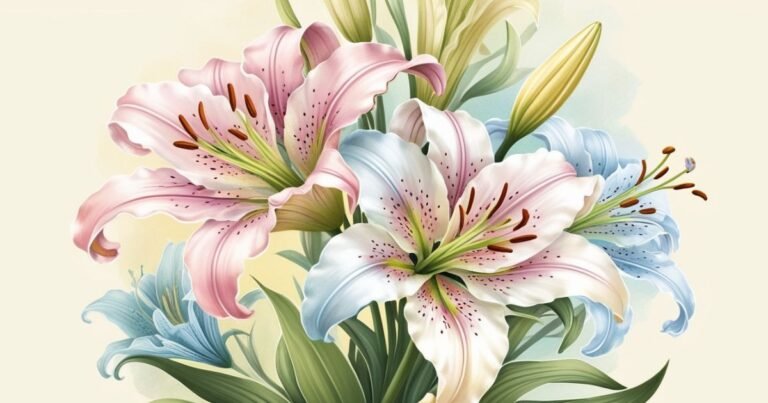
Calla Lily
The calla lily is admired for its refined elegance and simplicity. It symbolizes profound life changes tied to growth opportunities or new beginnings.
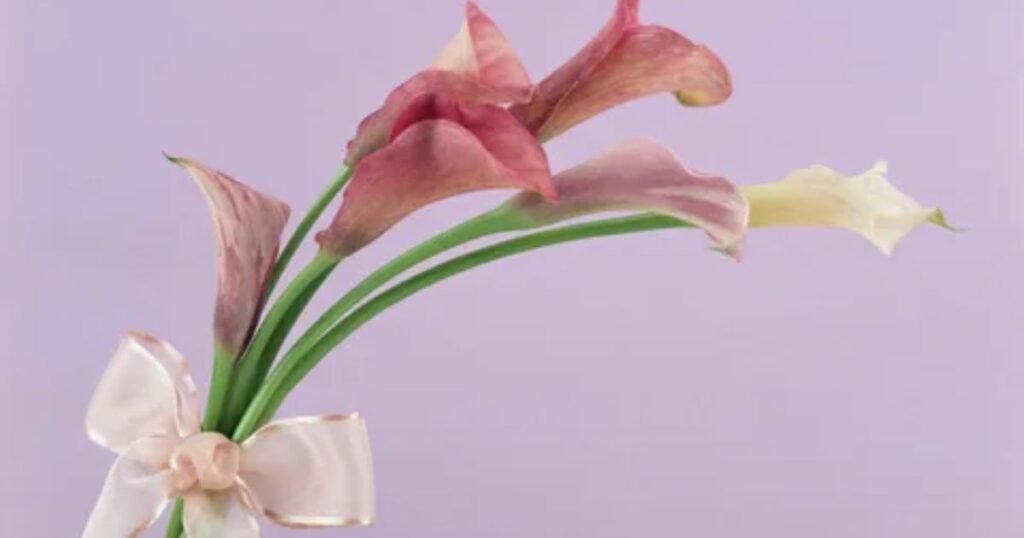
Often used in bridal bouquets due to its association with purity, it encourages individuals to welcome significant transformations positively.
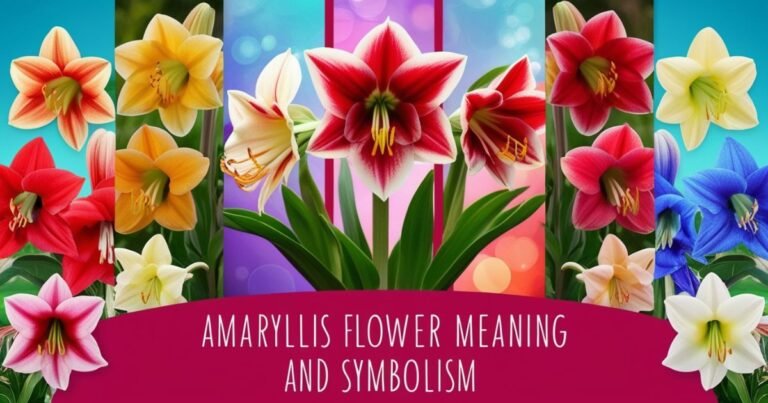
Amaryllis
Blooming during winter months when other flowers may be dormant, amaryllis represents resilience amidst adversity.
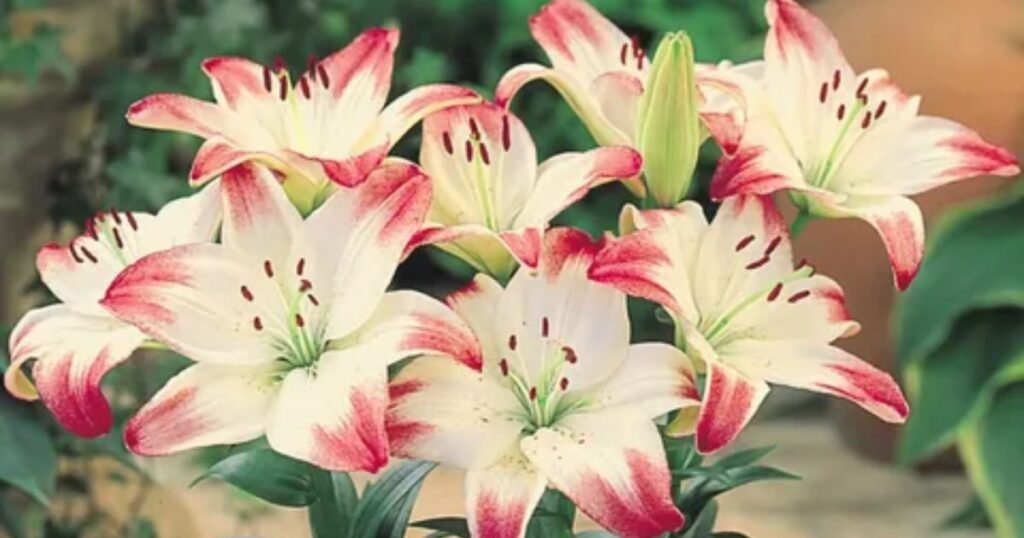
Its bold blossoms serve as reminders that beauty can thrive even when conditions are tough; they symbolize inner strength required for adaptation during challenging times.
Tulip
Especially vibrant in shades like red or yellow, tulips signify renewal and adjustment as they emerge at the start of springtime, a period marked by warmth following winter’s chill.
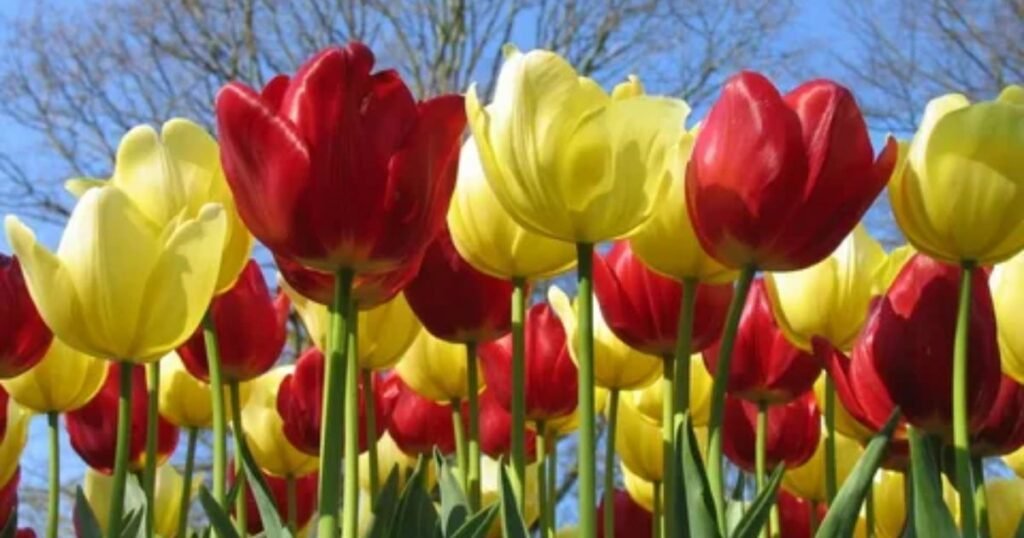
Their graceful form reminds us that embracing change can lead to flourishing growth after periods of dormancy.
Summary
| Flower Name | Color Variation | Meaning of Change | Other Symbolism |
| Cherry Blossom | White, Soft Pink | Fleeting beauty, Renewal | New beginning, Hope |
| Lotus | Purple, Blue, White, Pink | Spiritual growth | Inner peace, Purity |
| Sunflower | Orange, yellow | Adaptability to life change | Loyalty and Positivity |
| Butterfly Bush | Pink, Purple, White, yellow | Transformation & New Beginning | Grace, Attracts butterflies |
| Daffodil | White, Yellow | Restart & Rebirth | Prosperity, Hope |
| Iris | Blue, White, Yellow | Courage, Wisdom | Messenger of good news, Faith |
| Peony | Red, Yellow, White | Courage to embrace, new beginning, | Honour & Love |
| Calla Lily | Yellow, Purple, White, Pink | Life changes, | Purity, Rebirth |
| Amaryllis | Orange, Red, White, Pink | Resilience and thriving through challenges | Success, Beauty, determination |
| Tulip | White, Red, yellow, purple, pink, | Adjustment to new circumstances, Renewal | Fame, Prosperity & Love |
Fibonacci Number Secrets
Fibonacci numbers are a special sequence of numbers. They start with 0 and 1. Each new number is the sum of the two before it. The sequence goes 0, 1, 1, 2, 3, 5, 8, 13, 21, and so on. It was named after Fibonacci, an Italian mathematician. He introduced it to Europe in 1202.
These numbers appear often in nature. You can see them in pinecones, sunflowers, and seashells. They also relate to the golden ratio. This ratio is linked to beauty and balance. Fibonacci numbers are useful in many fields.
They help in computer science, finance, and art. Their patterns are both simple and profound. They show how math connects to the world around us. Fibonacci numbers are a perfect blend of nature and numbers.
Conclusion
Flowers have long been symbols of change, each carrying its unique meaning and representation. From the delicate beauty of cherry blossoms to the resilient lotus, these blooms illustrate the transformative processes inherent in life.
Sunflowers remind us to embrace positivity and growth, while daffodils herald the arrival of spring and renewal. With each flower’s distinct character from the elegant peony to the bold amaryllis it’s clear that nature offers a vivid palette for expressing life’s transitions.
As you explore these amazing flowers, consider incorporating them into your own life as reminders of resilience and change. We can easily say that flowers that represent change and a symbol of new birth are the amazing creatures of this world.
FAQs
What flower is associated with change?
Chrysanthemums, or “mums,” symbolize transformation and renewal, blooming vibrantly in autumn. They remind us that change can be colorful, offering hope and resilience.
What flower represents new beginnings?
Daffodils symbolize hope and renewal, heralding new beginnings each spring with their bright yellow blooms. Their delicate yet resilient nature reflects the idea that every ending offers a chance for new starts, embodying fresh possibilities.
What is the flower of transformation?
The lotus symbolizes transformation and growth, blooming at the intersection of endings and beginnings.
The butterfly bush and phoenix flower represent life’s evolution, showcasing resilience.
They illustrate how struggles can lead to beauty, mirroring nature’s ability to thrive despite harsh conditions.